In consulting rooms everywhere, leaders arrive with urgency.
They want solutions.
They want frameworks.
They want answers that work now.
But what they often need first is something quieter:
space to reflect, language to name what’s happening, and permission to lead from clarity rather than survival.
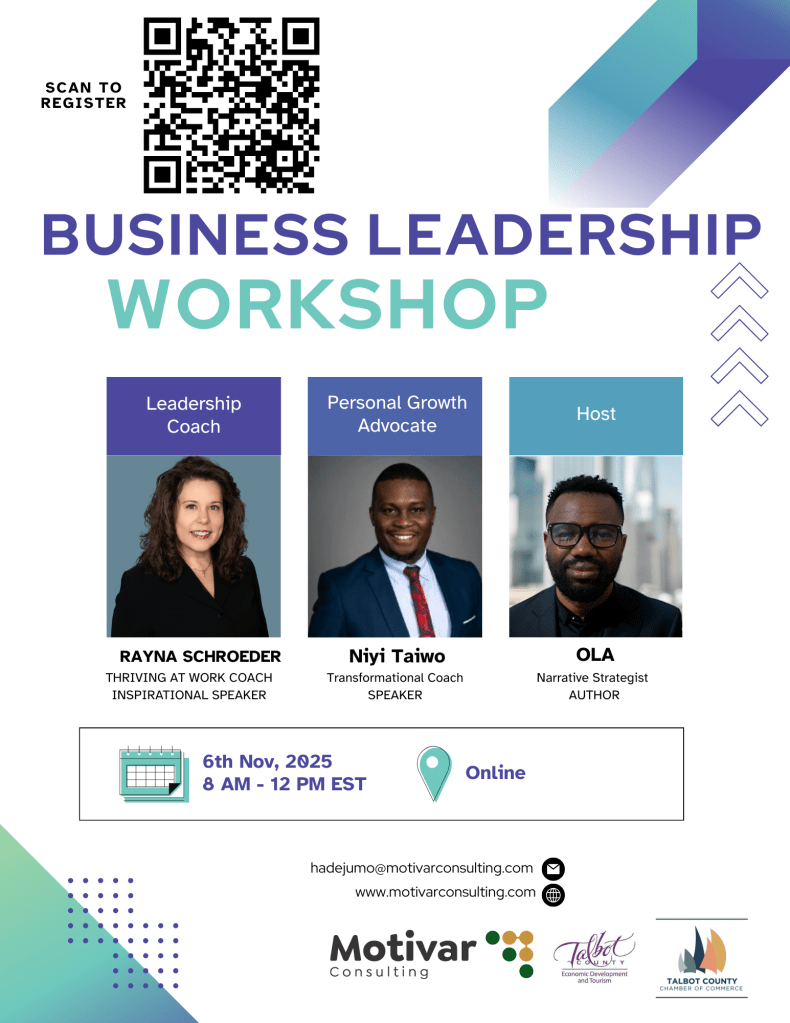
That was the spirit behind the Talbot Business Leadership Workshop, held November 6–7 in Easton, Maryland—a collaborative effort between Talbot County Economic Development and Tourism, Talbot County Chamber of Commerce, Motivar Consulting, MyelSyn Consulting, and community leaders who believe leadership is not a title, but a practice.
Why This Workshop Existed
The workshop was designed with a simple but ambitious aim:
to help leaders move from reactive management to intentional leadership.
Across two days, we explored how leadership culture is shaped not just by strategy, but by:
- daily habits,
- emotional climate,
- communication patterns,
- and the stories leaders tell themselves and their teams.
This wasn’t a conference built around polished talks alone. It was a working space—rooted in narrative practice, positive psychology, and adaptive leadership—where participants could pause, examine, and recalibrate.
Who Was in the Room (and Why It Mattered)
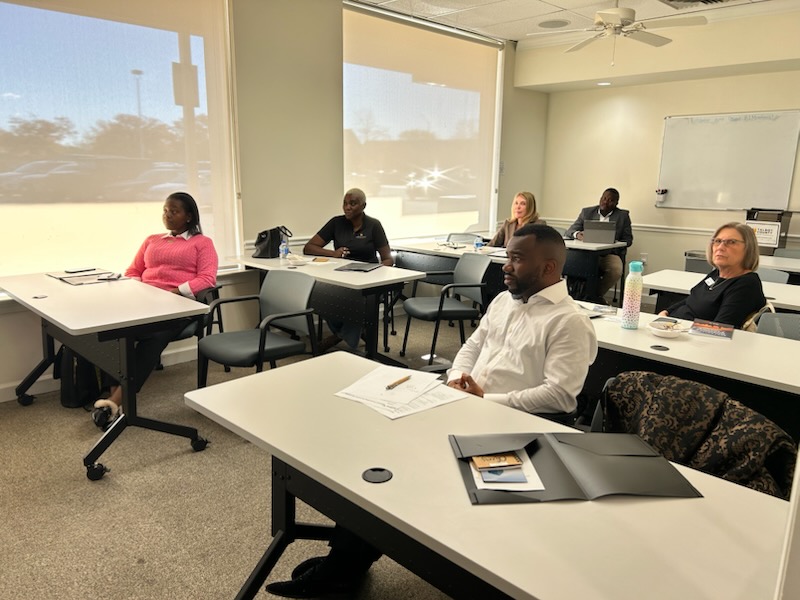
A total of 34 individuals expressed interest, with 13 participants attending across in-person and virtual formats. Those present represented approximately 11 businesses and organizations, spanning:
- Talbot County and Maryland’s Eastern Shore
- Virginia
- Ontario, Canada
Participants included small business owners, nonprofit leaders, consultants, managers, educators, and public-sector professionals.
This mix mattered.
Narrative Practice thrives in diverse rooms—because stories sharpen when perspectives differ. What emerged were conversations that crossed sectors but shared common themes: overwhelm, responsibility, purpose, and the desire to lead well without burning out.
Core Themes We Worked With
Rather than overwhelming participants with content, the workshop centered on a small number of deeply integrated ideas.
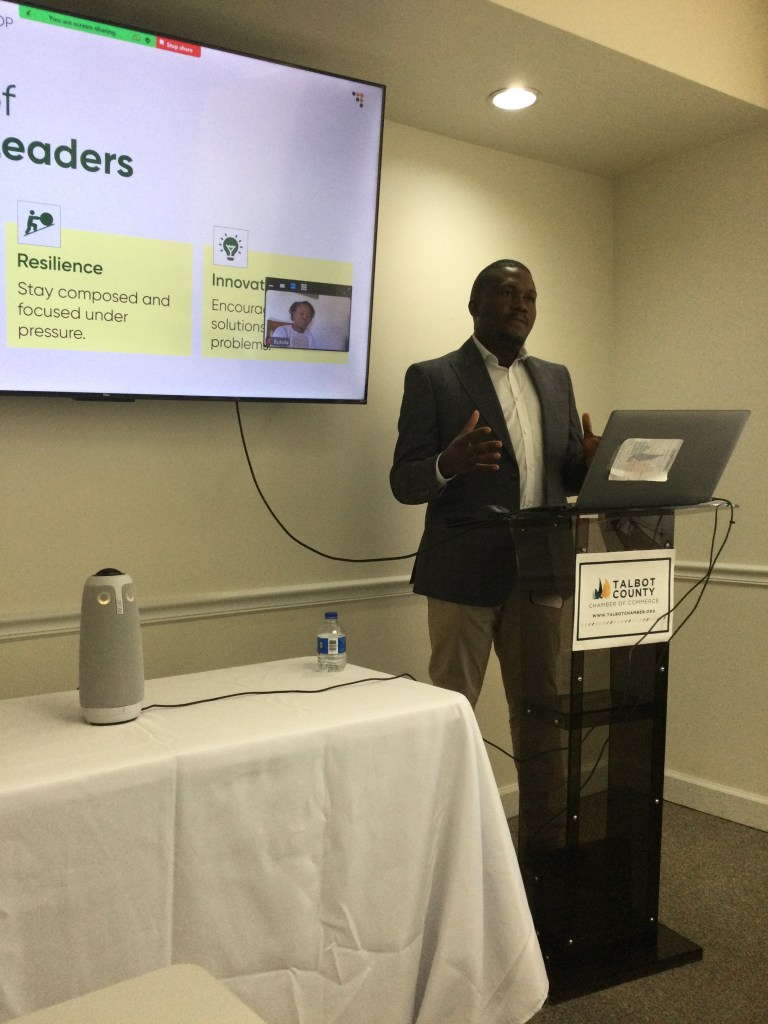
1. Adaptive Leadership & Decision-Making
Olaniyi Taiwo explored how leaders shape team culture—often unintentionally—through tone, reaction patterns, and decision-making under pressure.
The key shift was moving from:
“How do I control outcomes?”
to
“How do I create conditions where people can do their best work?”
Participants examined how stress narrows thinking, and how adaptive leadership expands it.
2. Team Building Through Awareness
Using DISC personality insights and strength-based approaches, leaders reflected on:
- how they communicate under stress,
- how others receive that communication,
- and where misalignment quietly erodes trust.
The goal wasn’t labeling—but awareness. Narrative practice begins when leaders understand the different stories playing out in the same room.
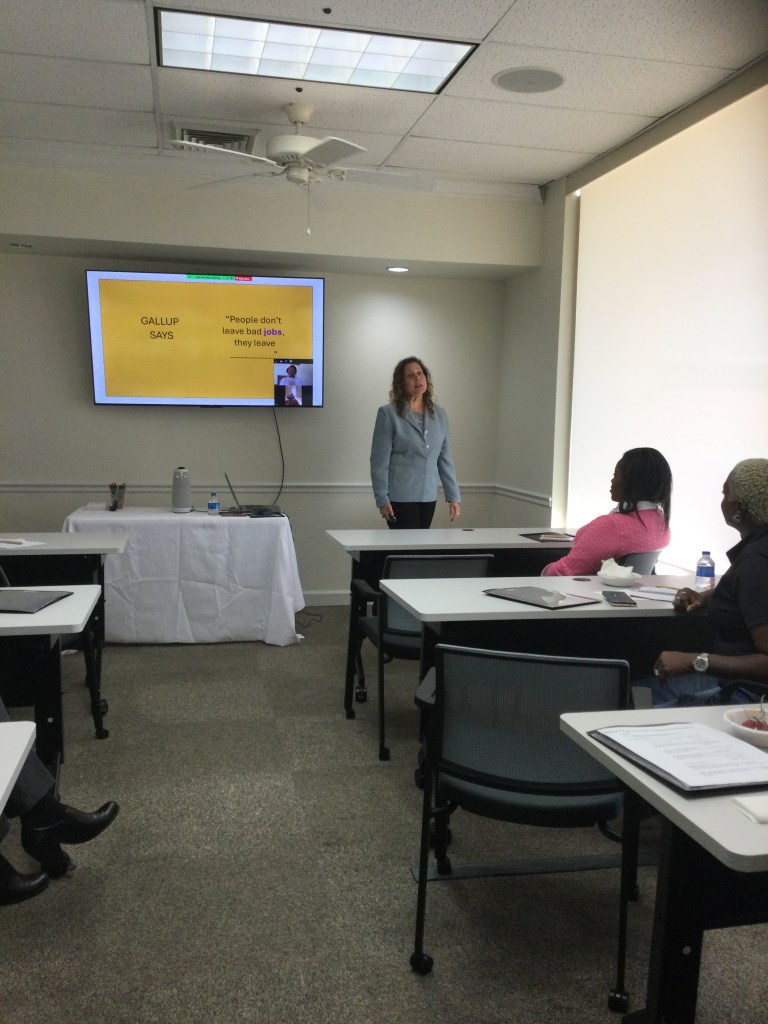
3. The Thriving Leader Framework
Presented by Rayna Schroeder, this framework invited leaders to reconnect with:
- values,
- mindset,
- emotional regulation,
- and intentional habits.
The emphasis was on shifting from fight-or-flight leadership to reflective, values-driven action—especially in high-pressure environments.
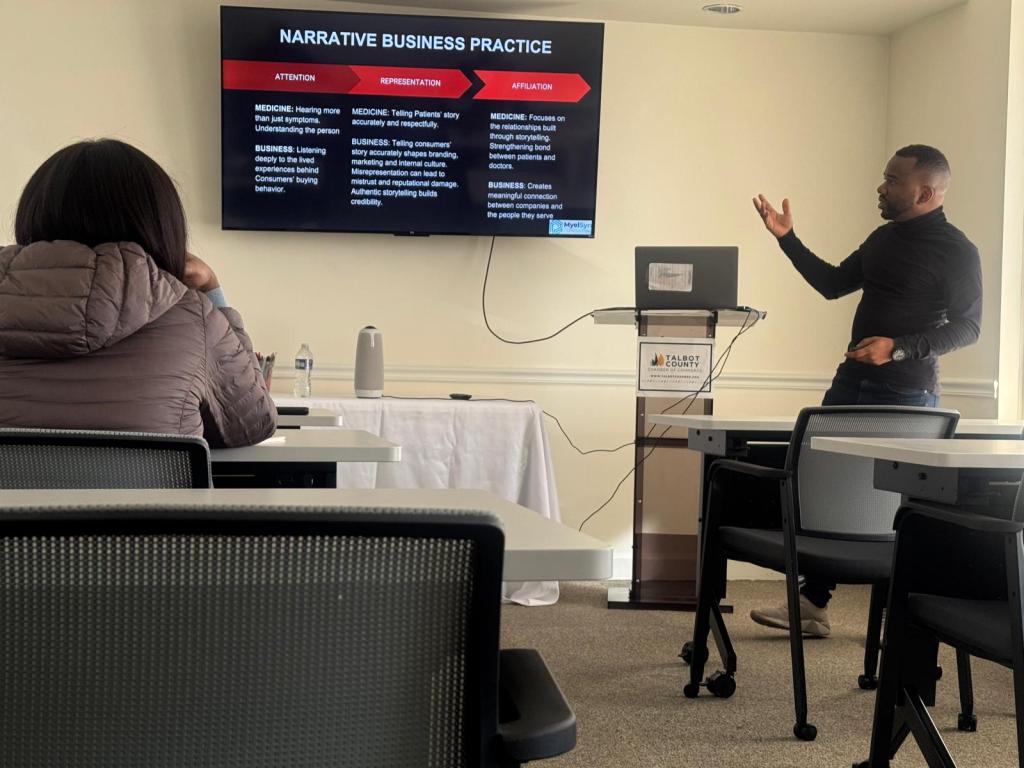
4. Narrative Strategy for Business Growth
This is where MyelSyn’s narrative lens came into focus.
Leaders explored how storytelling is not about inspiration alone—but about:
- aligning teams around meaning,
- clarifying purpose,
- and making decisions easier to act on.
When leaders communicate with narrative clarity, teams don’t just understand what to do—they understand why it matters.
What Participants Took Away from The Thriving Leadership Framework
Across reflection exercises, worksheets, and dialogue, several themes consistently emerged:
- Many leaders felt overwhelmed and were seeking sustainable ways to manage stress.
- Communication across personality types was a recurring challenge.
- Participants expressed a desire to reconnect with personal purpose, not just performance metrics.
- Positive psychology tools—gratitude, strengths identification, reflection—were repeatedly named as immediately useful.
One participant shared:
“I could relate to the topics personally and professionally. They were actionable items to use immediately.”
Another described the experience as:
“An eye-opener… very positive, which is so important these days.”
Practice Over Performance
What made this workshop impactful wasn’t just the content—it was the practice.
Participants didn’t leave with a binder of instructions. They left with:
- clearer language for what they’re experiencing,
- tools to notice patterns before reacting,
- and narratives they can use to lead with intention.
That’s the heart of narrative intelligence: not telling better stories about leadership, but practicing leadership through story.
Gratitude for Partnership
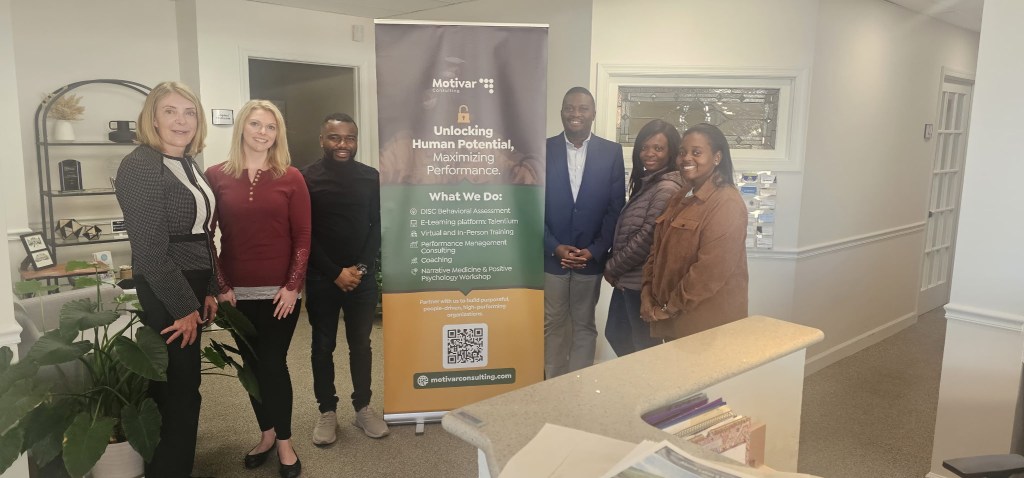
This workshop was made possible through the support of:
- Talbot County Economic Development and Tourism
- Talbot County Chamber of Commerce
- Mid-Shore Community Foundation
- Motivar Consulting
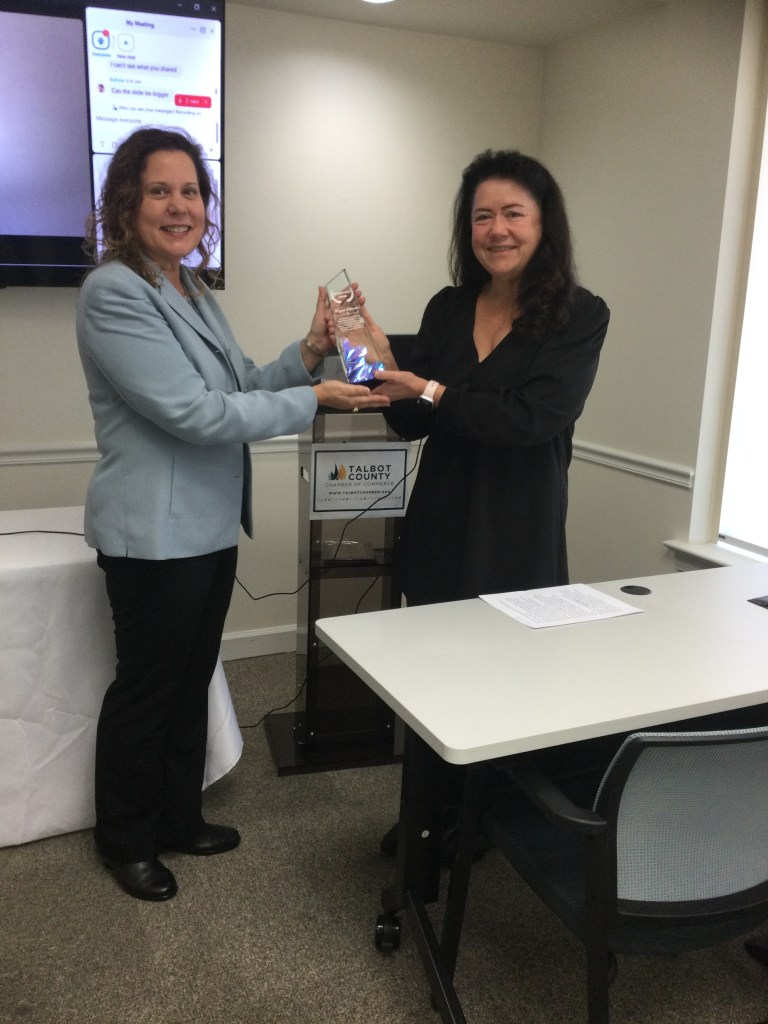
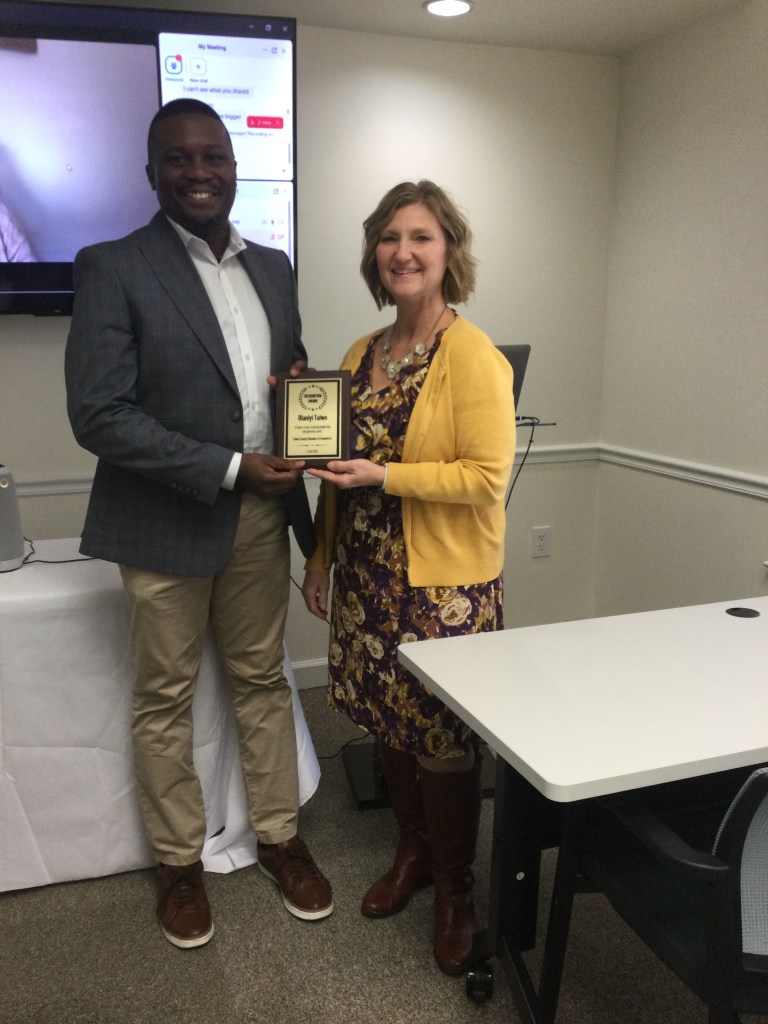
- Community leaders including Amy Kreiner, Cassandra Vanhooser, Rayna Schroeder, Olaniyi Taiwo, OLA Adejumo and many others who believe leadership development belongs close to the community.
What Comes Next
The work doesn’t end with a workshop.
Based on participant feedback and outcomes, future iterations may include:
- cohort-based leadership programs,
- sector-specific sessions,
- structured follow-up coaching,
- and deeper narrative practice for teams navigating complexity.
At MyelSyn, we continue to believe this truth:
Leadership improves when people are given language, space, and trust to reflect.
And when every voice counts, practice becomes progress.

