What Does the 80/20 Rule Have to Do with Telling Better Stories?
A lot more than you might think.
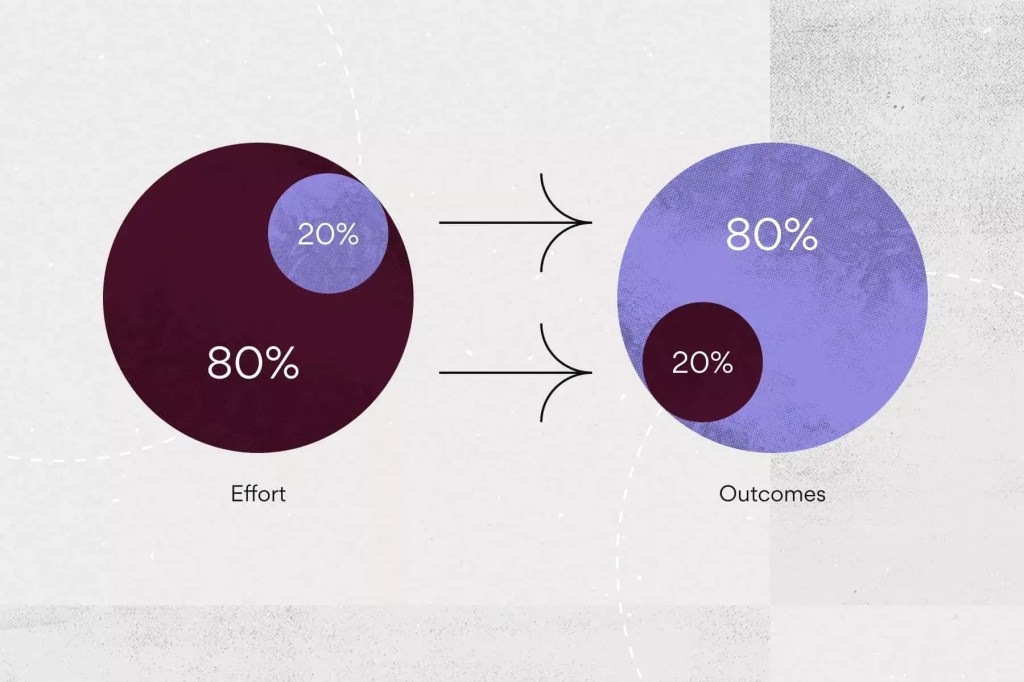
You’ve probably heard of the Pareto Principle—also known as the 80/20 rule. It’s the idea that 80% of results often come from just 20% of the effort or input.
In business, it shows up in things like:
- 80% of sales come from 20% of customers
- 80% of complaints come from 20% of problems
But here’s what’s interesting:
The same rule applies to storytelling.
Whether you’re telling a story in a meeting, on stage, in a post, or just across the dinner table—only a small part of what you say will truly stick.
What’s the “20%” in a Story?
In storytelling, the 20% that matters is usually:
- The emotional core
- The turning point
- The key takeaway
That small portion—just a few sentences or a strong moment—is what your listener will remember, feel, and act on.
The rest? It supports the story, but it’s not what people walk away with.
Why This Matters
Most people try to cram too much into a story. Every detail, every step, every fact. But when you do that, the heart of the story gets buried.
By focusing on the 20% that really matters, your story becomes:
Shorter
Clearer
More impactful
And most importantly—easier to remember and retell.
How to Apply the 80/20 Rule to Your Stories
1. Start With the Point
Before you tell the story, ask: What’s the one idea or feeling I want people to take away?
That’s your 20%.
2. Build Around the Turning Point
Focus your story on a key moment—when something changed, clicked, or revealed something new.
3. Cut the Clutter
If it doesn’t move the story forward or add emotional weight, let it go. Not every detail needs to make it in.
4. Use Emotion Strategically
Facts are good. But emotion is what makes stories memorable. Don’t overdo it—just don’t leave it out.
5. Practice the 2-Minute Rule
Try telling your story in two minutes. This forces you to stay in that valuable 20% zone.
Final Thought
You don’t need to say more to be more powerful.
You just need to say the right parts—the 20% that makes 80% of the impact.
When you tell stories with clarity and intention, people won’t just listen.
They’ll remember—and share it.

